
Act I
THE OUTCASTS
Collection — 2026 — 5 Designs
The Art They Tried to Forget
They called them outcasts. The women they turned into monsters. The divine rebels. The lovers society would not acknowledge. The damned who dared to feel. Each piece in this collection tells the story of those who existed on the margins — in art and in life. Museum walls could not contain their power. Your back can.
"The Outcasts" is not just our first drop — it is our declaration. We are not here to make art pretty. We are here to make it powerful. These five pieces represent everyone who has ever been told they do not belong.
Visual Identity
Rich flesh tones, deep shadows, luminous skin against dark backgrounds. Bouguereau's chiaroscuro creates a natural drama that translates powerfully to both dark and light shirt colourways. Every piece commands attention through sheer technical mastery.
The Artist
William-Adolphe Bouguereau (1825–1905) was the most successful academic painter of 19th-century France. Winner of the Prix de Rome, member of the Académie des Beaux-Arts, and systematically erased from art history by modernist critics. His rehabilitation began in the 1980s and continues today.
Thematic Thread
Each piece explores the human form in extremis — ecstasy, vulnerability, violence, innocence, and the divine. These are paintings that demand an emotional response. The title “The Outcasts” refers both to the mythological figures depicted and to Bouguereau himself, cast out of the canon.
Why This Artist
Bouguereau is the perfect opening statement. His work is instantly arresting, technically flawless, and carries a story of cultural rebellion — art that refused to die despite being declared irrelevant. That’s what Vive la Flex is about: giving great art a second life.
5
Designs
10
Products
3
Artists
1597–1892
Period
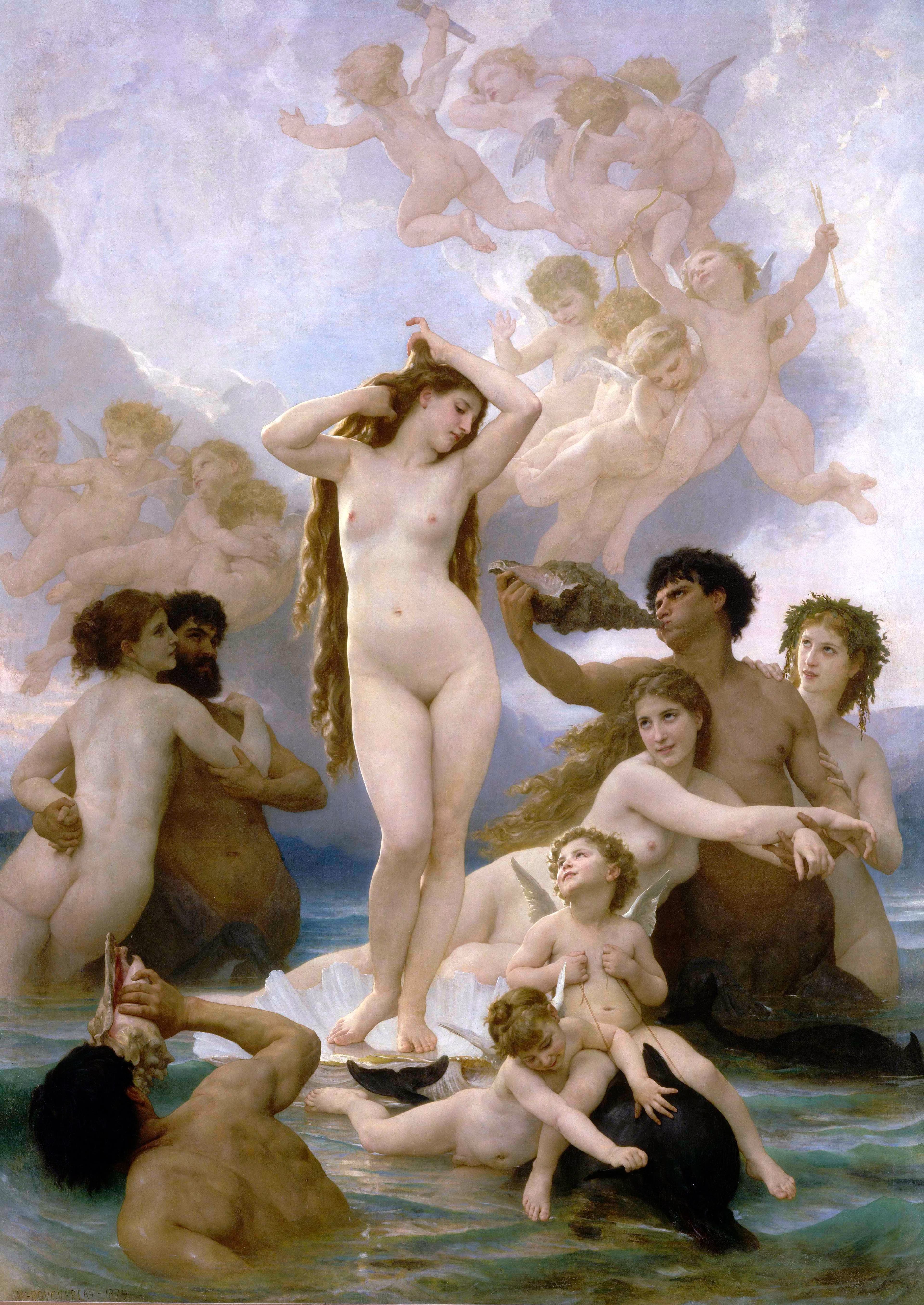
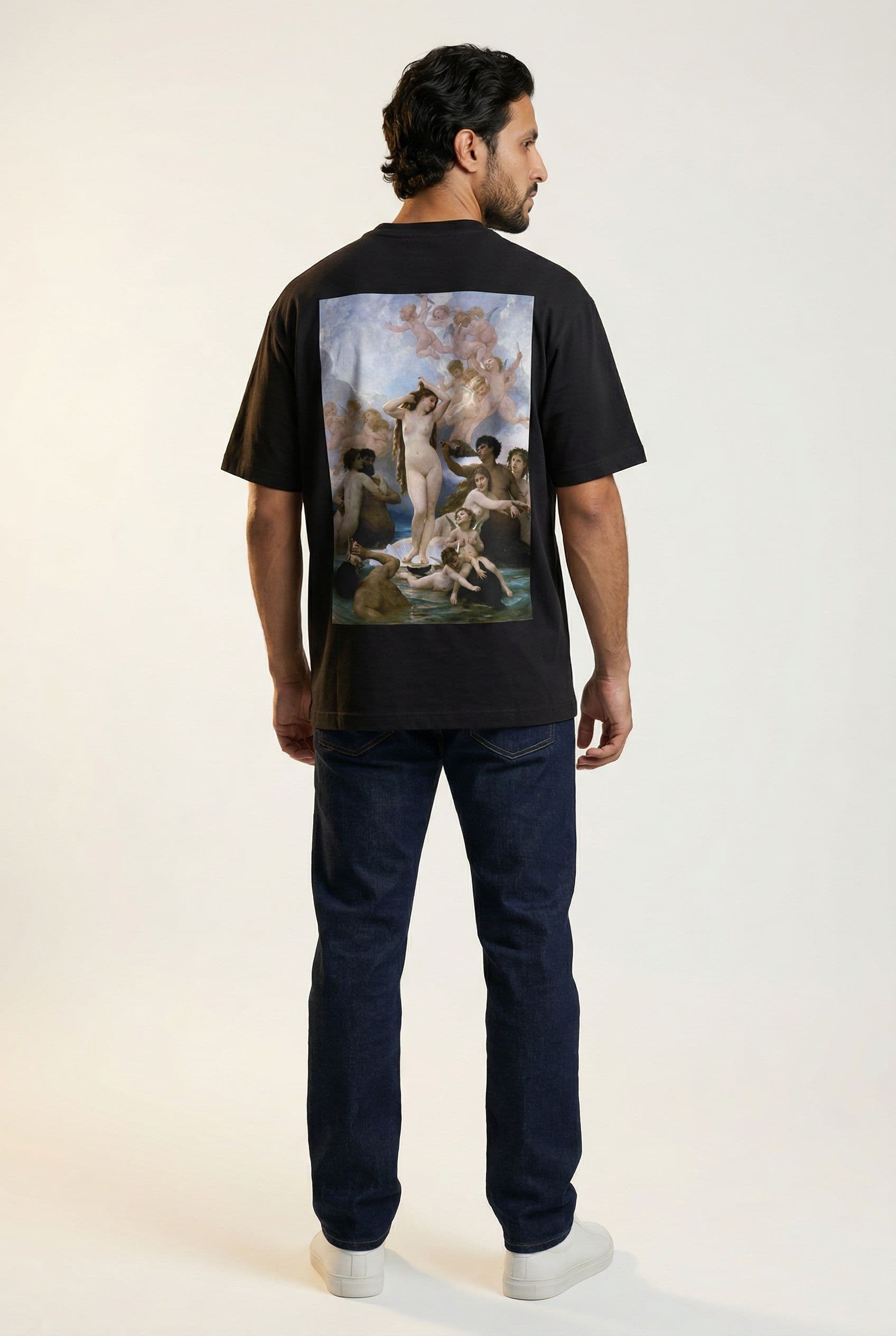
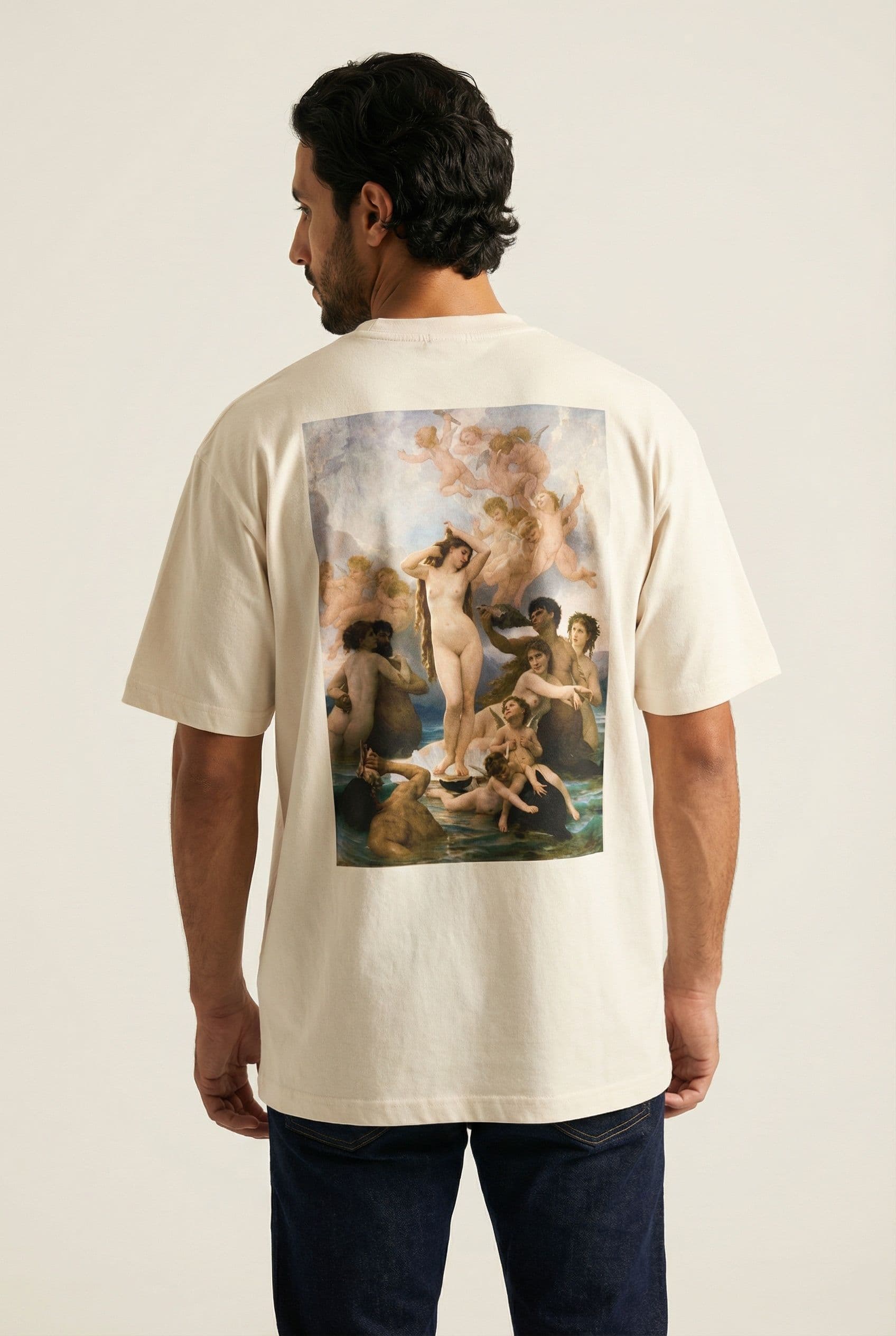
THE BIRTH OF VENUS
Venus rising, completely unbothered. Bouguereau gave us the powerful one. Full-figured, confident, surrounded by admirers who know greatness when they see it. This Venus doesn't apologize for taking up space.
She said: Let them stare.

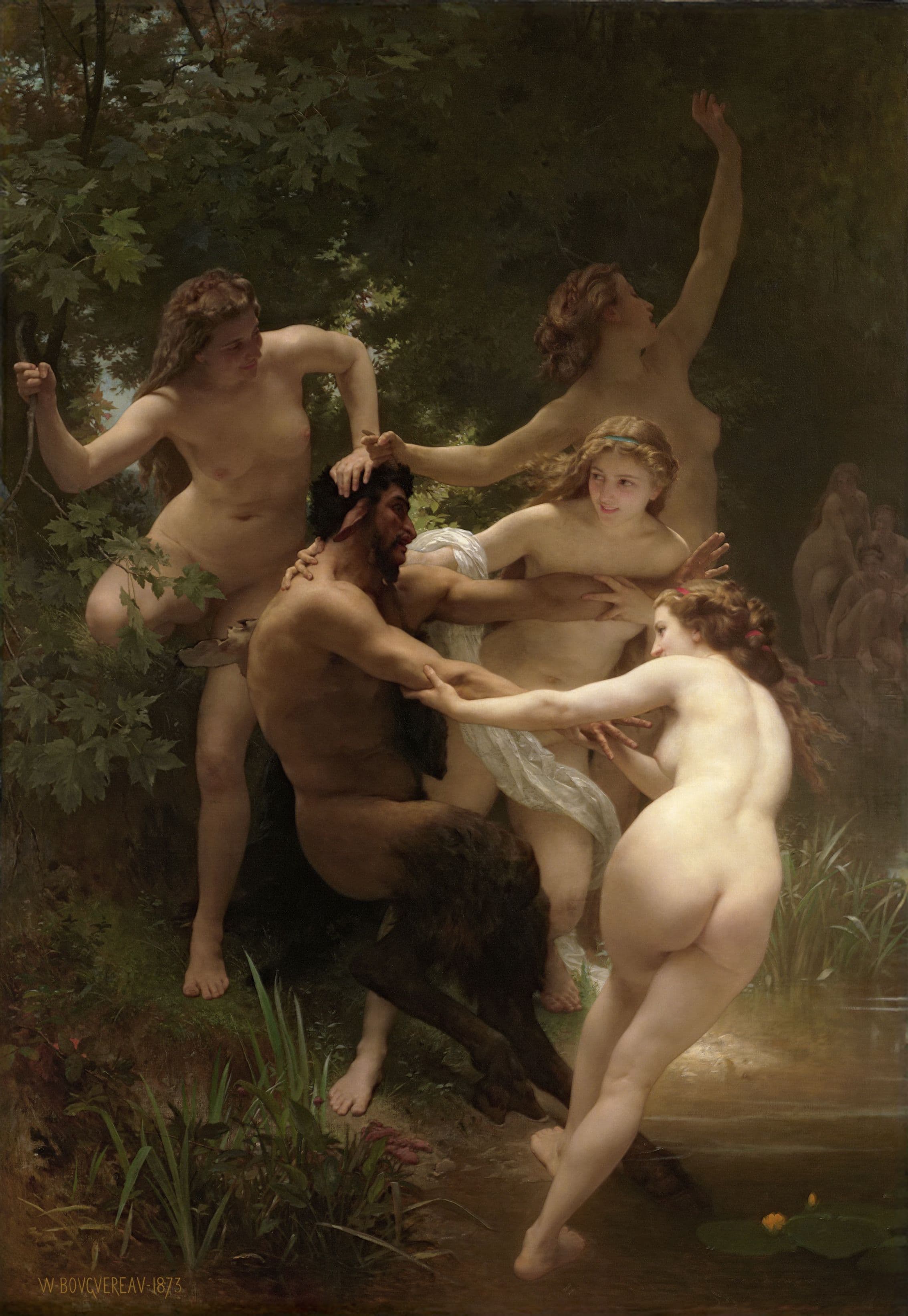
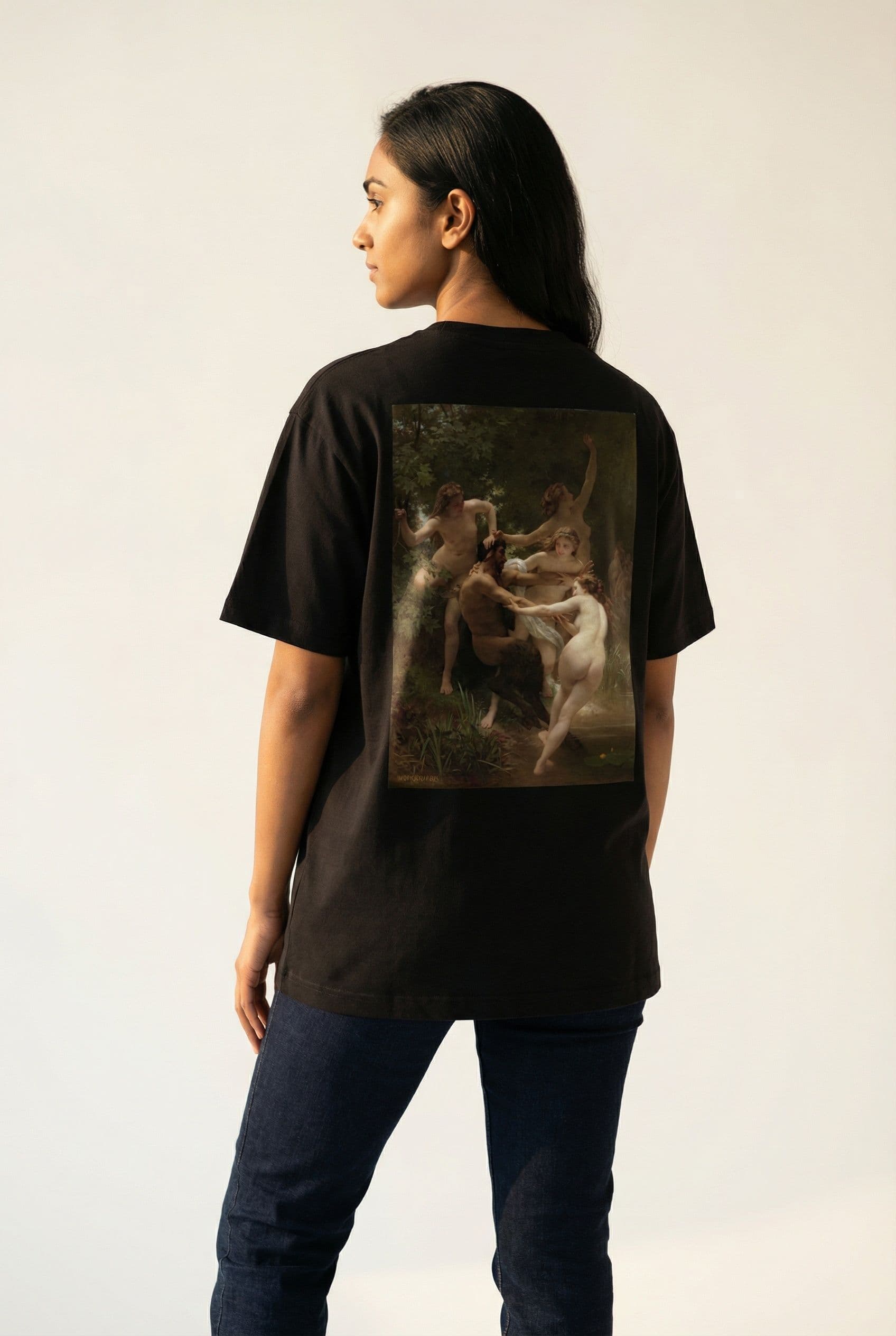
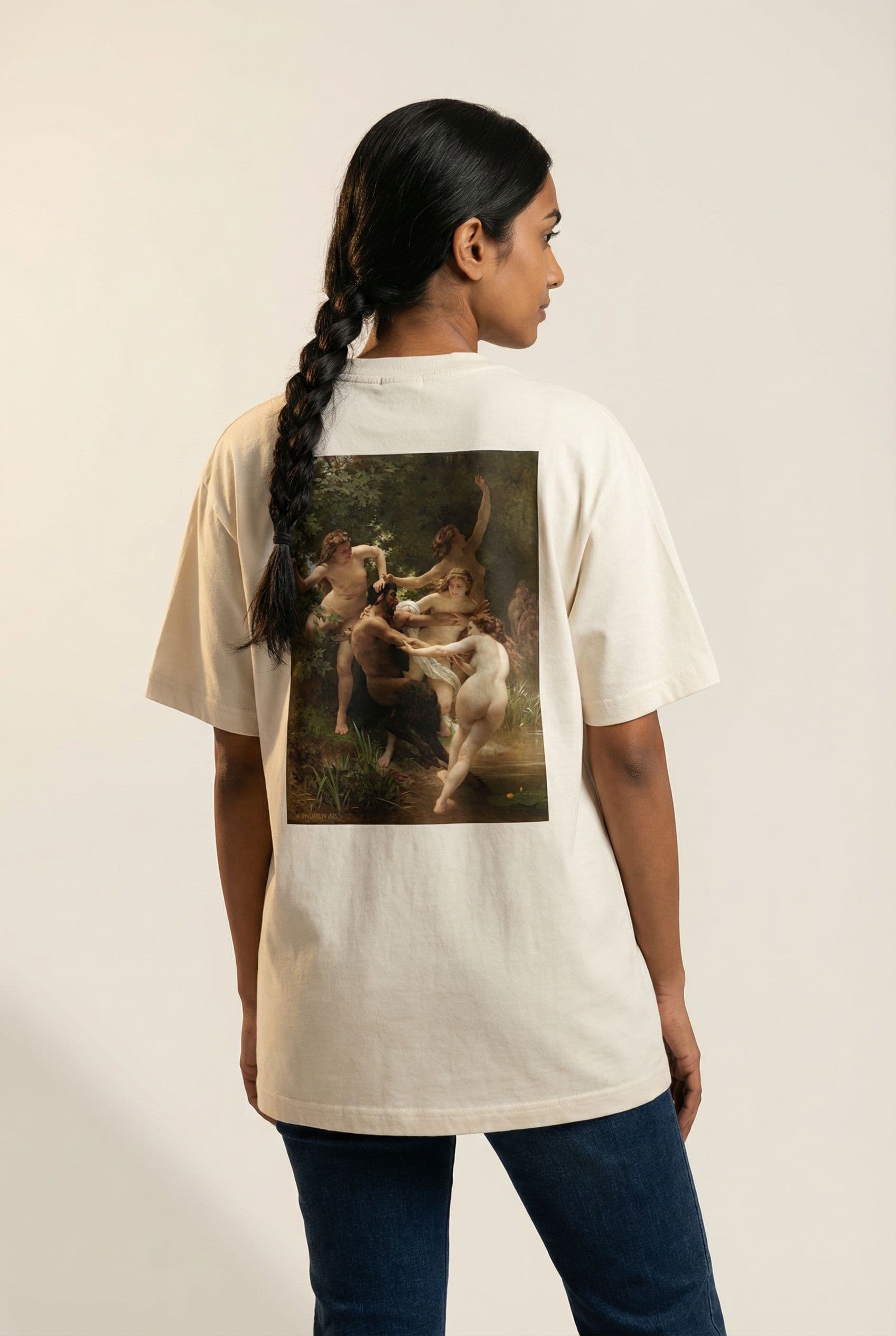
NYMPHS AND SATYR
What happens when desire meets nature? Four nymphs, one satyr, zero apologies. The Salon accepted it, but society clutched their pearls. Too sensual. Too alive. Too honest about what bodies want.
Too alive for the gallery. Perfect for the street.

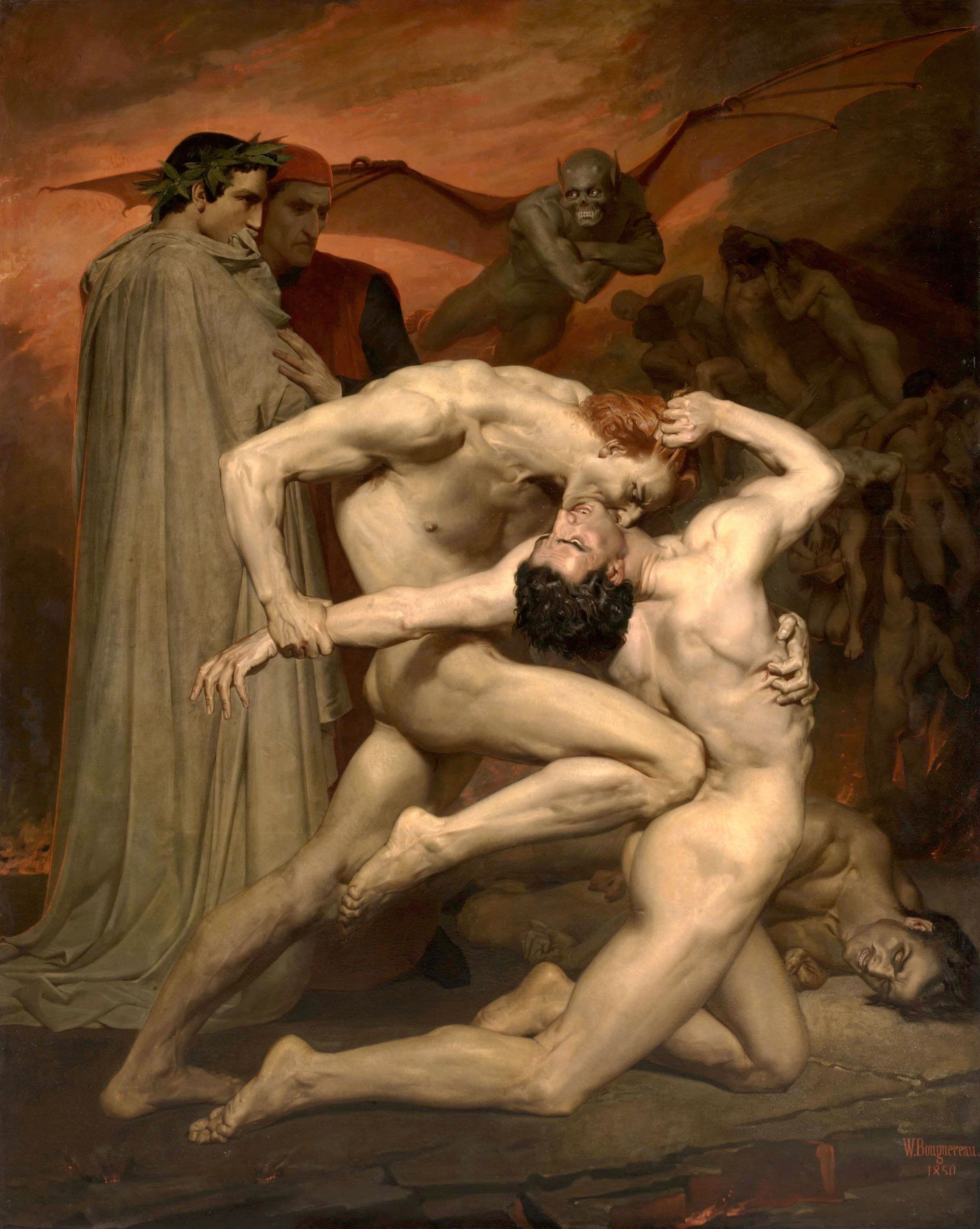
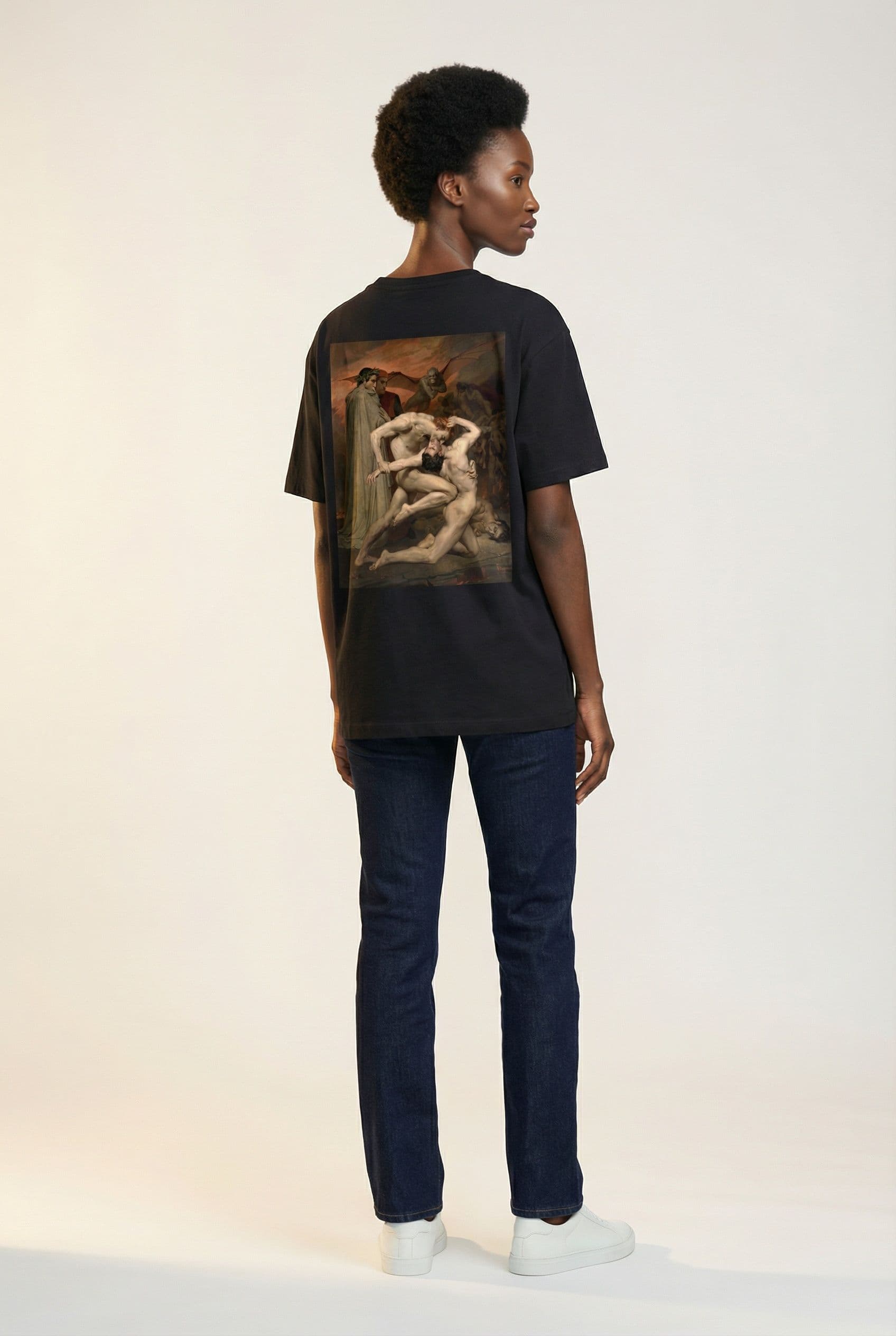
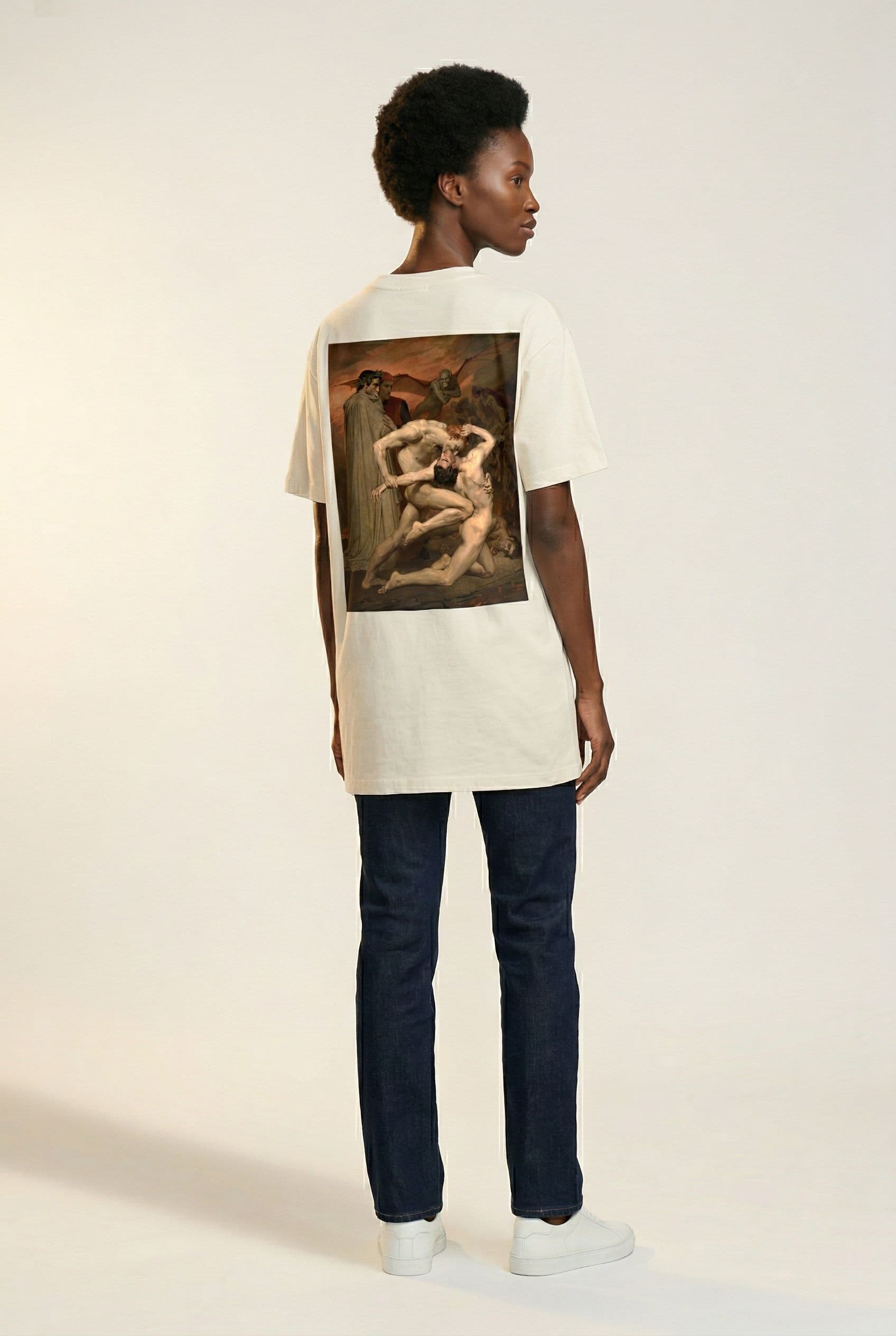
DANTE AND VIRGIL IN HELL
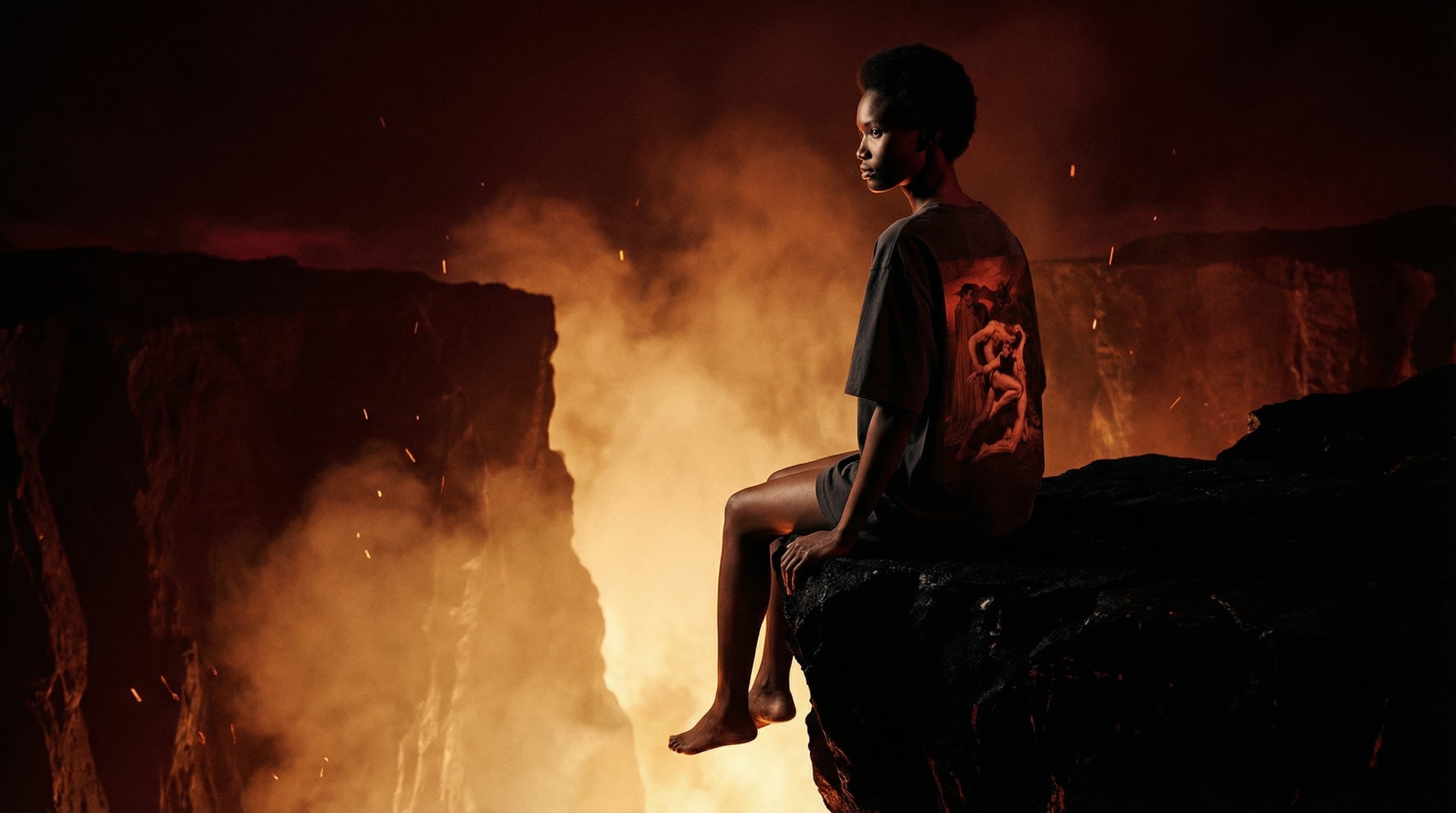
Two writers witnessing eternal punishment. Dante's Inferno brought to canvas with uncompromising brutality. This isn't hell as metaphor - it's hell as reality. Bouguereau painted human suffering with the same technical perfection he gave to angels.
Sometimes you have to go through hell to create something beautiful.
LILITH
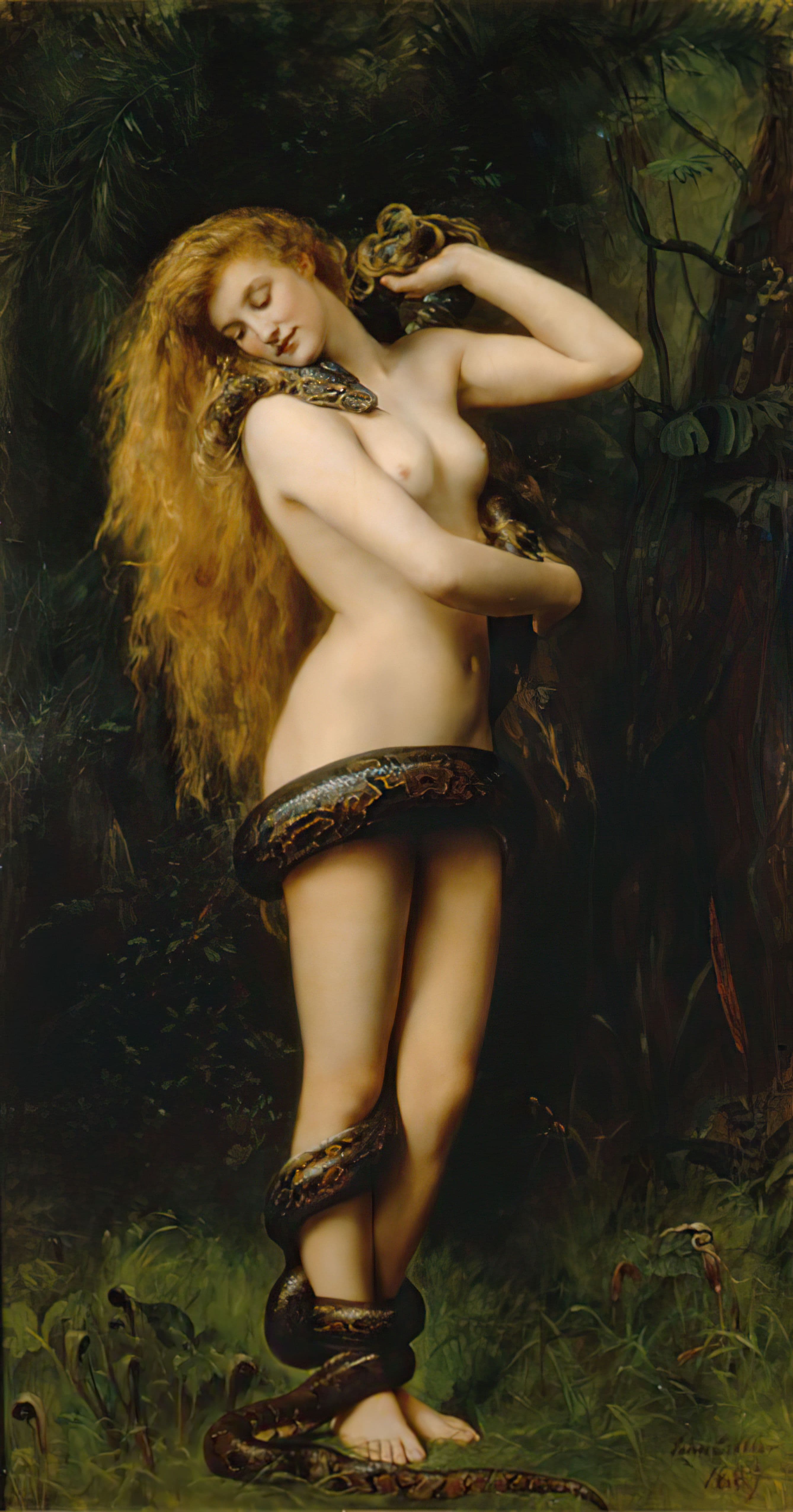
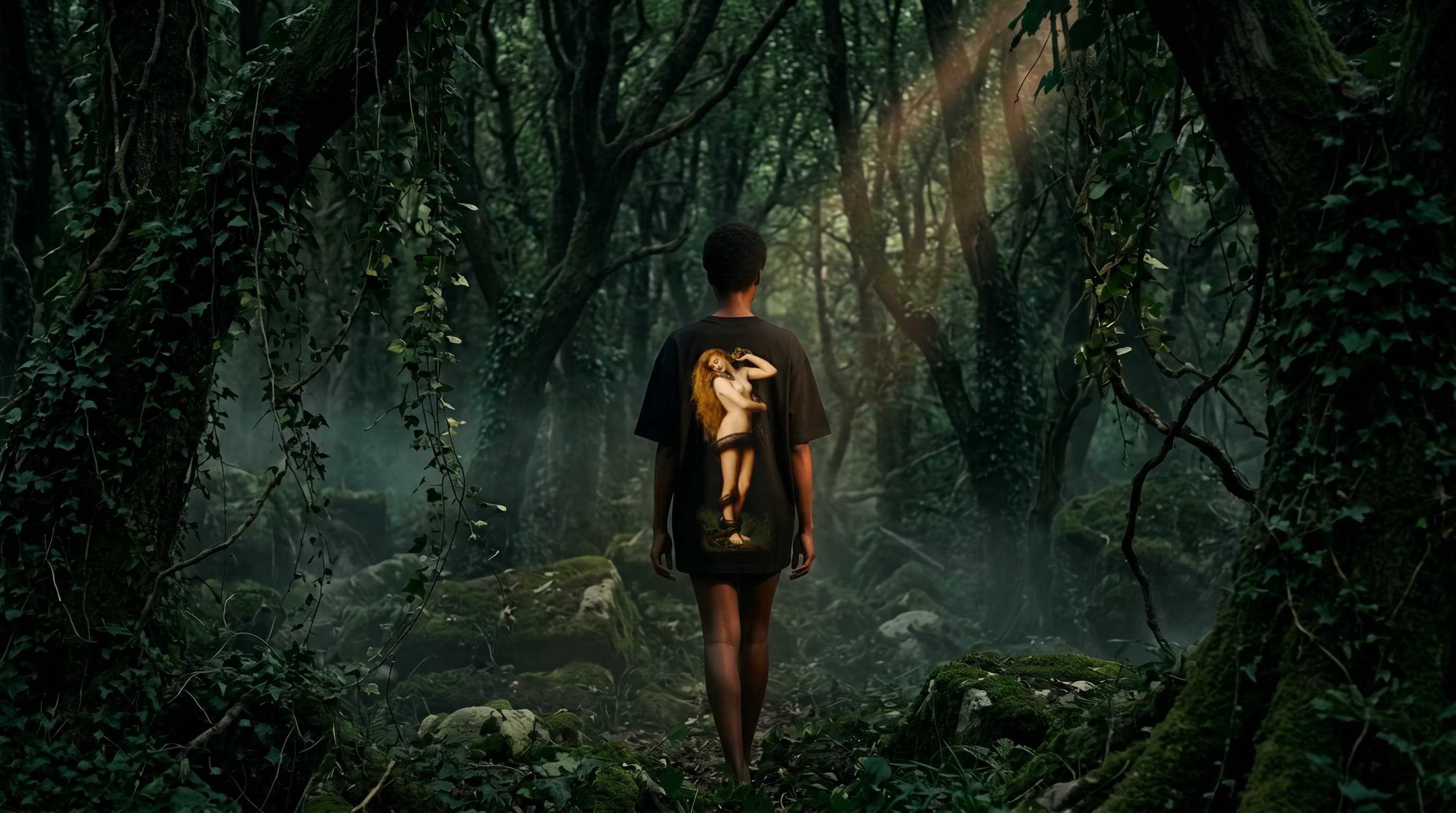
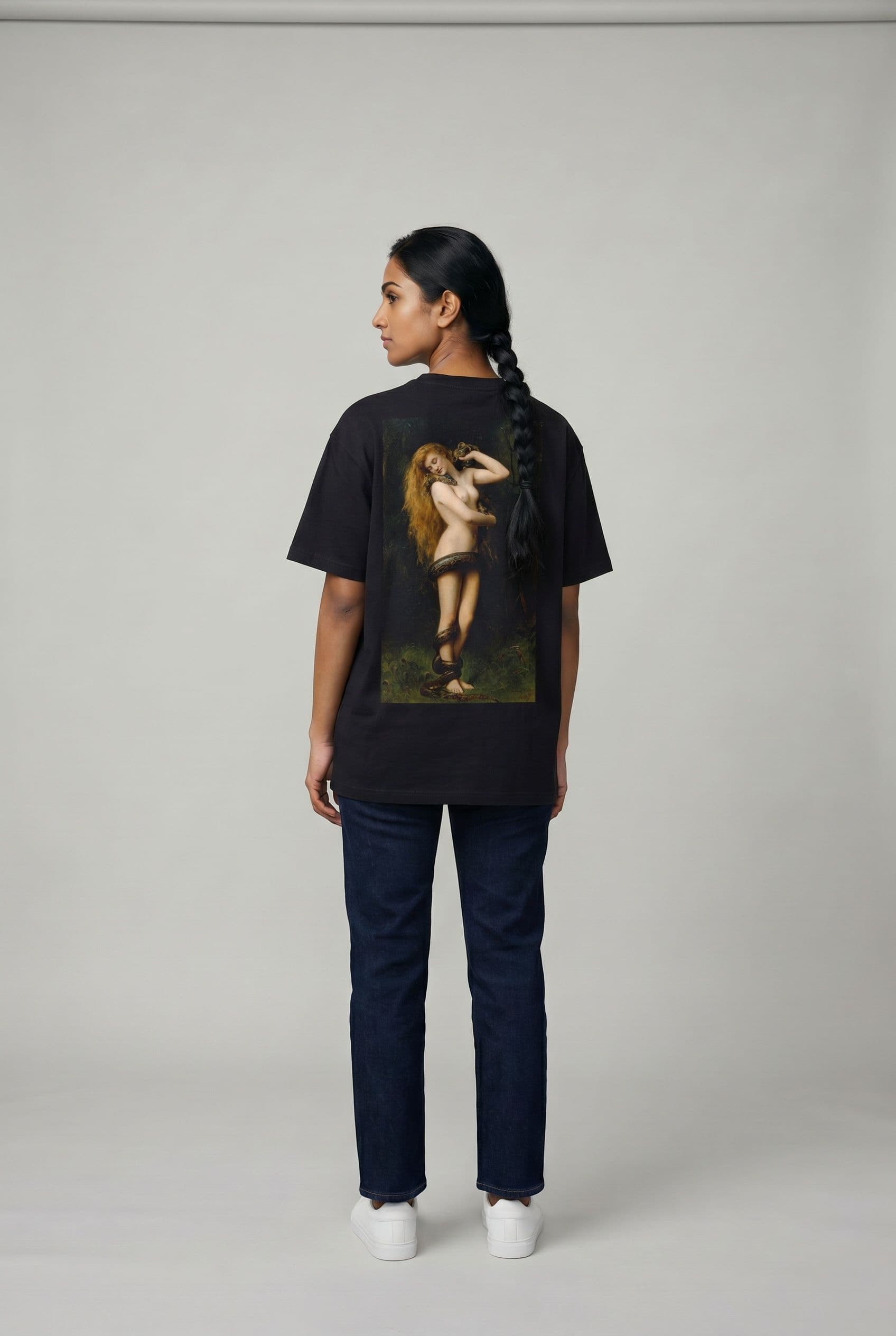
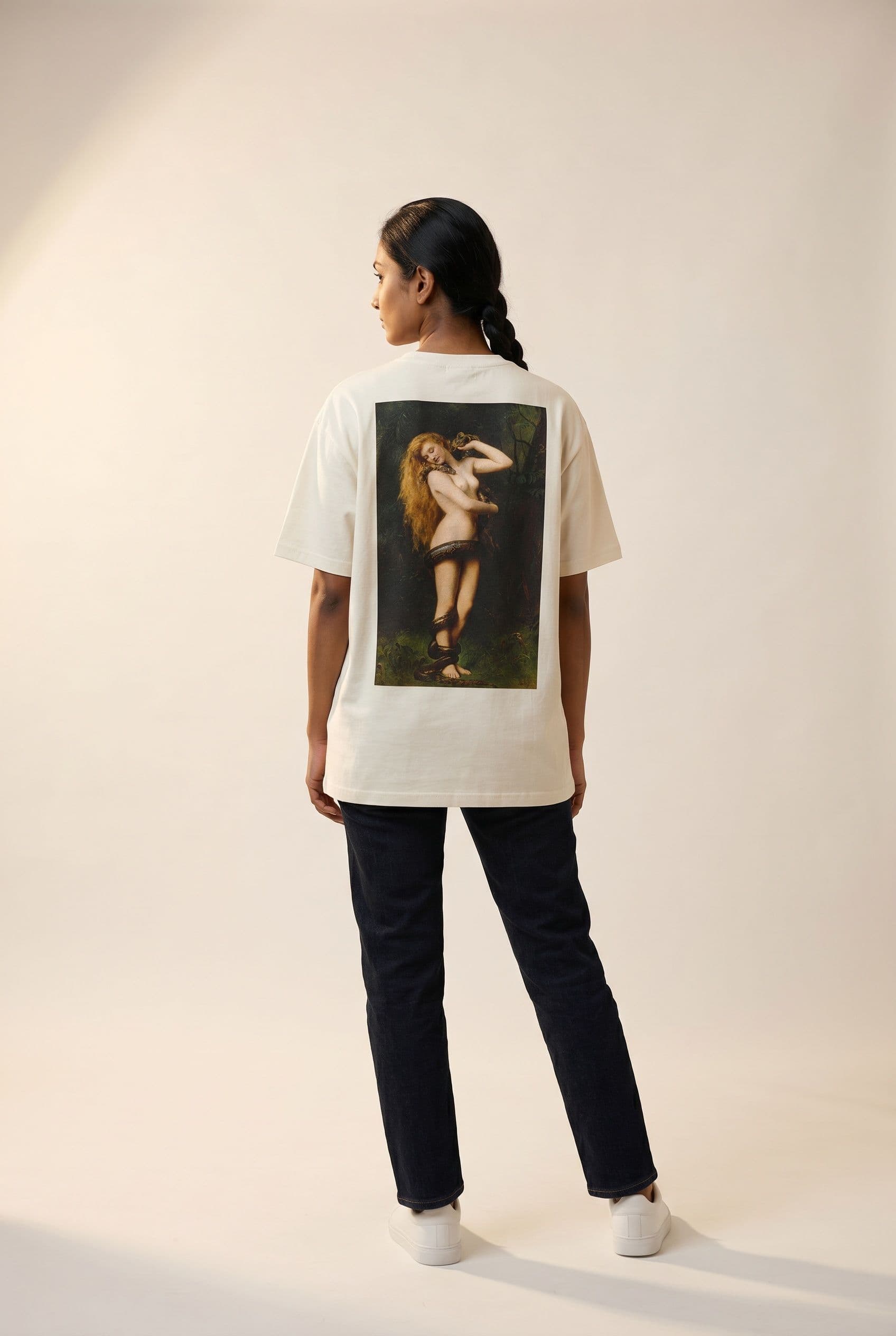
The first woman. The first to refuse. Long before Eve, Lilith stood beside Adam as his equal — and walked out of Eden rather than lie beneath him. So they rewrote her into a demon, a creature of the night. Collier paints her the way she saw herself: calm, untouchable, the serpent coiled around her like a choice. Not a temptress. A woman who would not be owned.
Cast out of paradise. Worn without apology.
MEDUSA
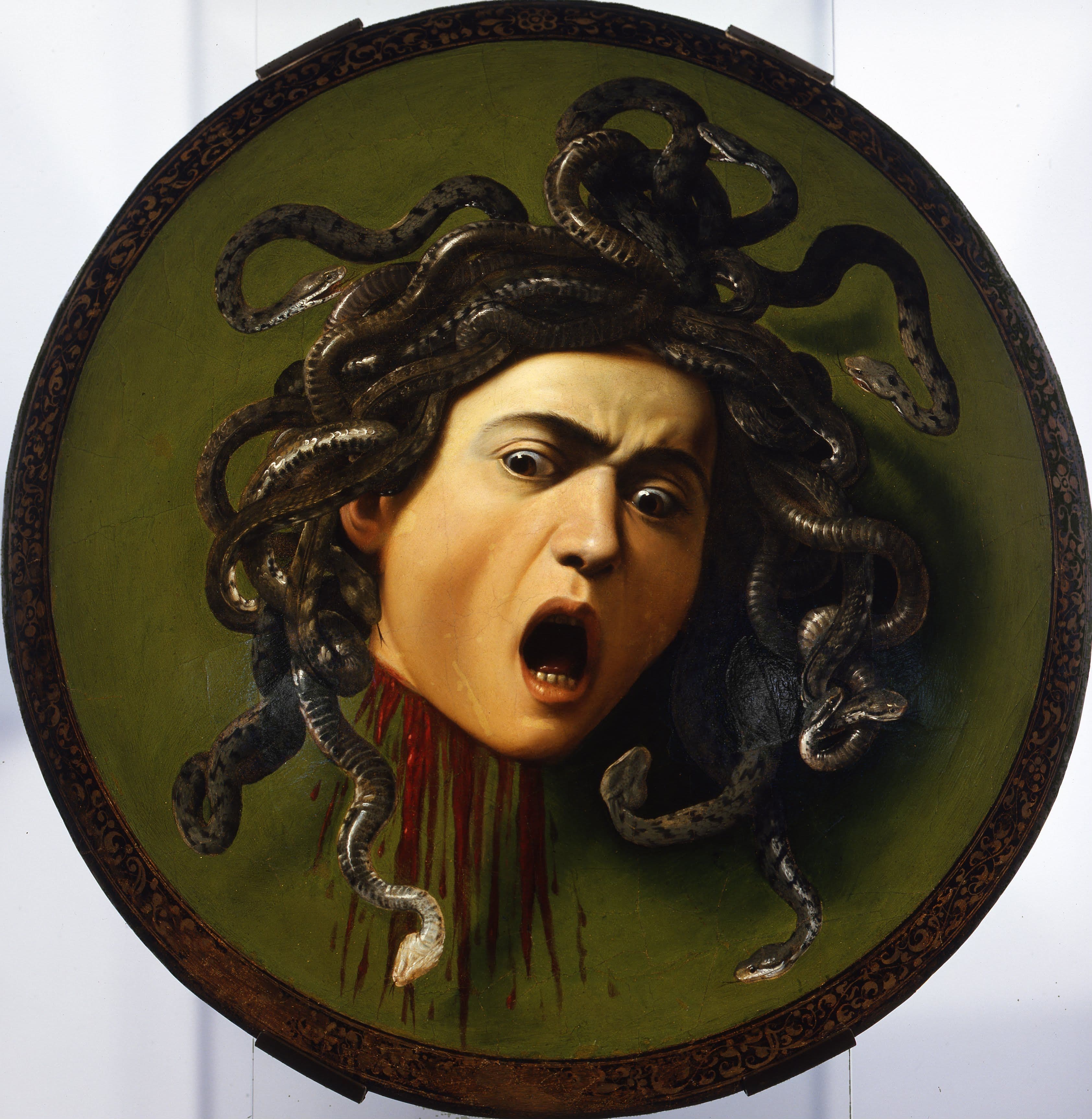
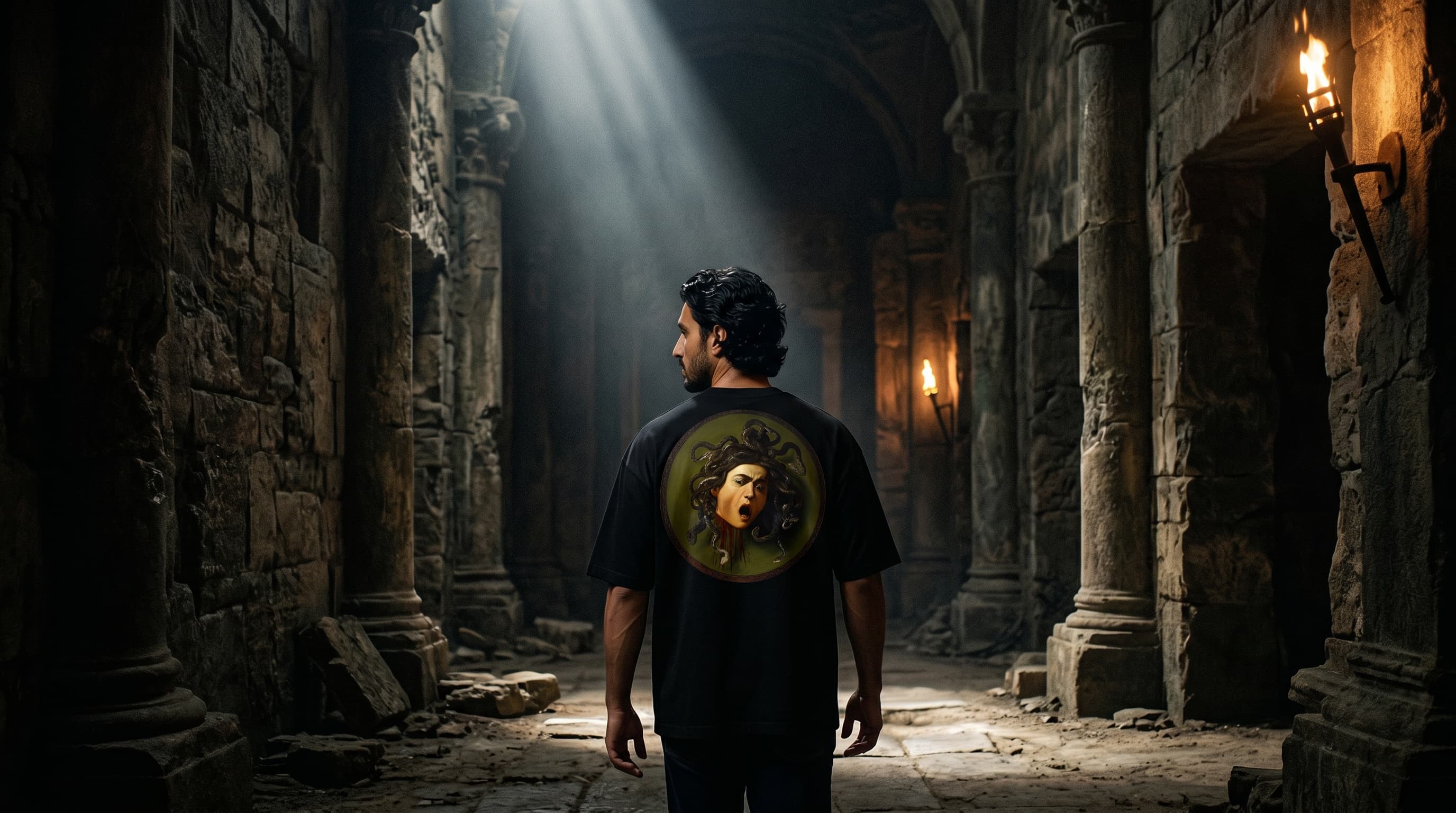
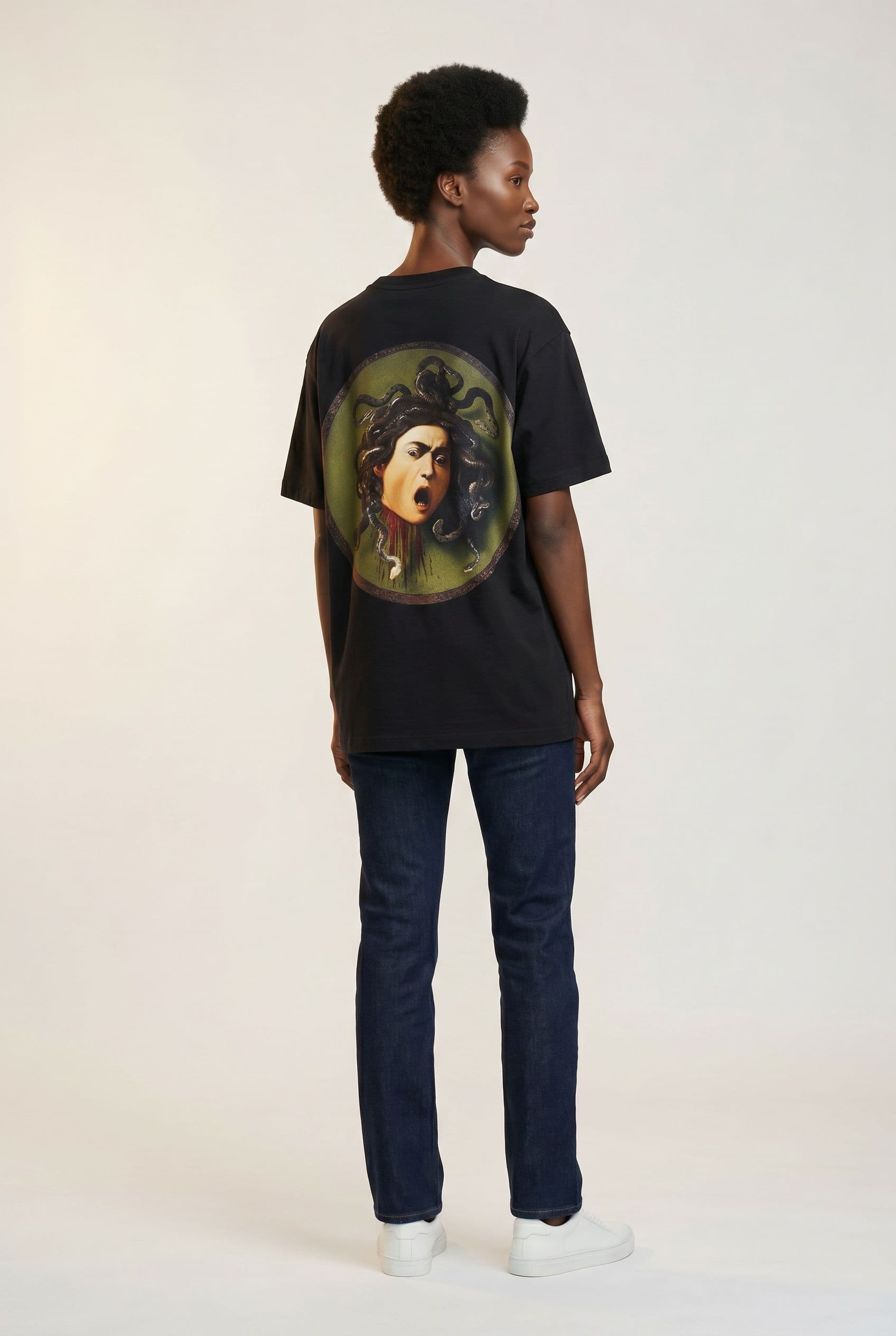
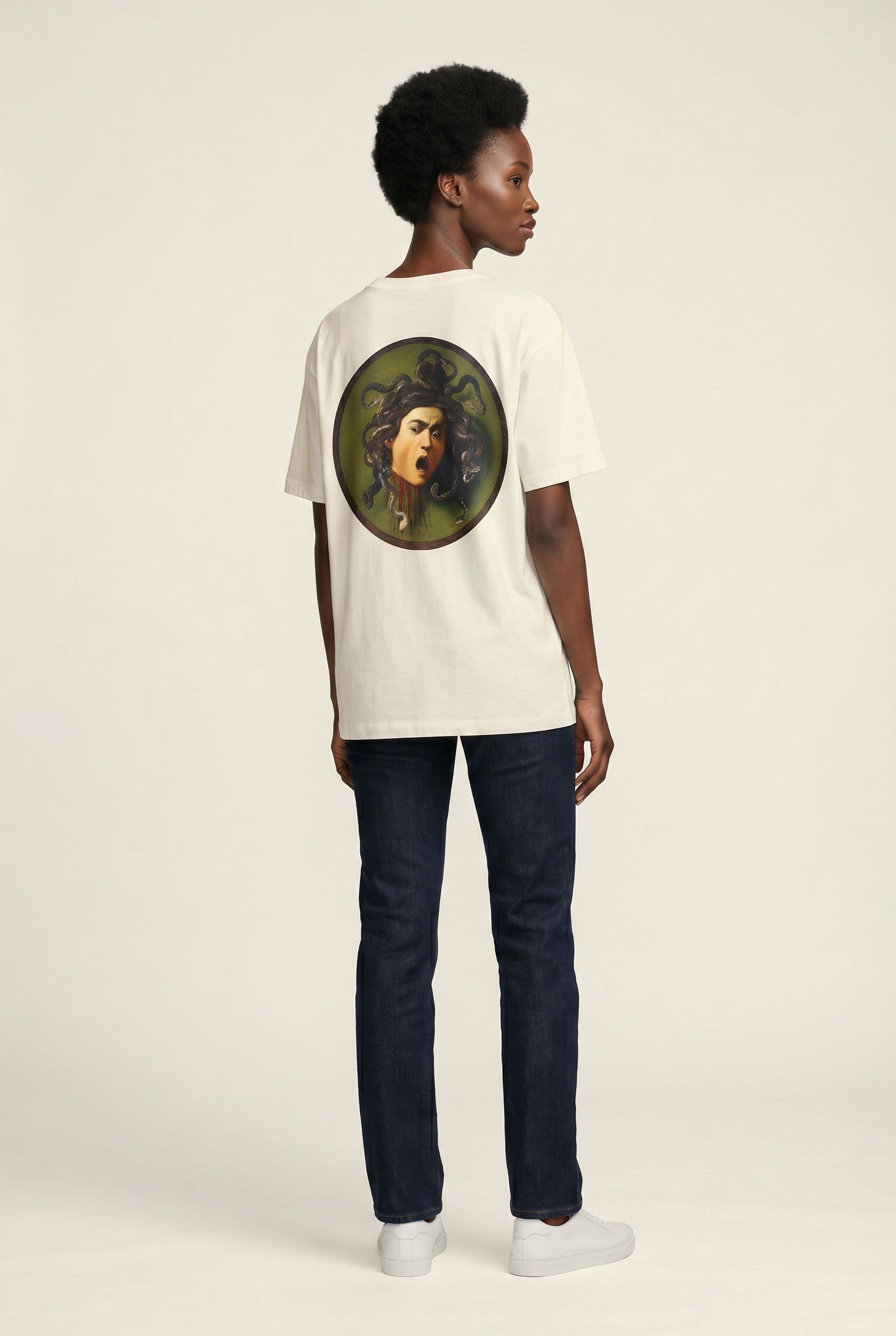
She was punished for what was done to her. Violated in a temple, then cursed for it — her hair turned to serpents, her face into a weapon. Caravaggio freezes the final instant: the severed head, the open mouth, the scream that never lands. Beautiful and terrifying in the same breath. A victim the world decided to fear instead of mourn.
They made her a monster. Then blamed her for being one.
The Collection
THE BIRTH OF VENUS
William-Adolphe Bouguereau, 1879
NYMPHS AND SATYR
William-Adolphe Bouguereau, 1873
DANTE AND VIRGIL IN HELL
William-Adolphe Bouguereau, 1850
LILITH
John Collier, 1892
MEDUSA
Caravaggio, 1597